Good AI Is Invisible AI
Nick Avossa on setting a baseline before you judge a tool, why a system that is working surfaces only its errors, and how to prepare a team for that.
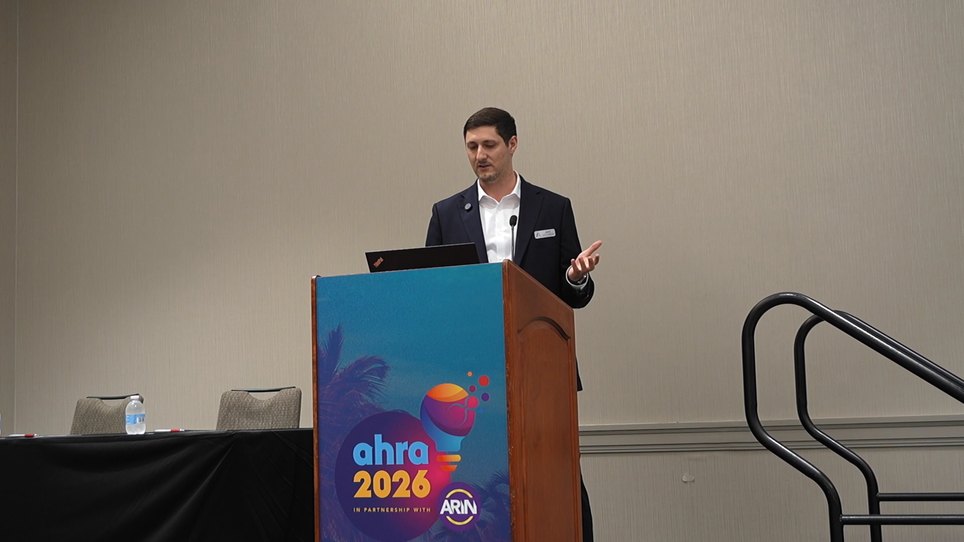
Good AI Is Invisible AI
Nick Avossa on setting a baseline before you judge a tool, why a system that is working surfaces only its errors, and how to prepare a team for that.
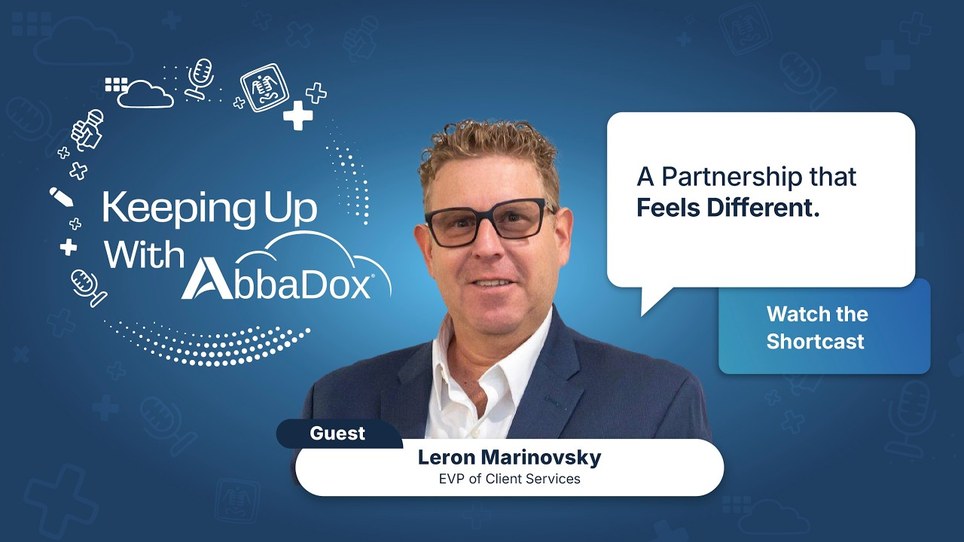
A Partnership that Feels Different
Leron on the assembly line behind a go-live - implementation, a 90-day optimization team, client success and support - and why the AI team sits in client services rather than engineering.
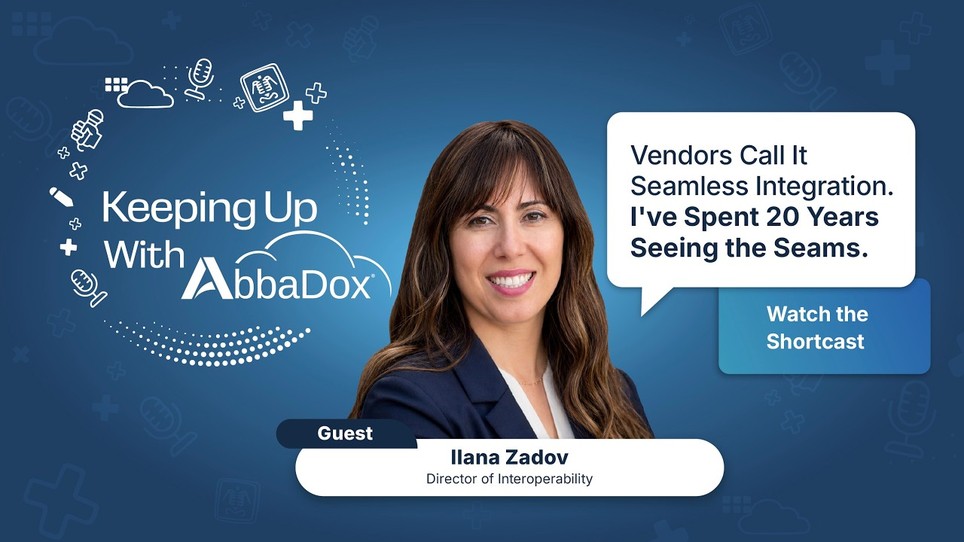
Vendors call it seamless integration. I’ve spent 20 years seeing the seams
Ilana on what integration really takes: an event engine coordinating systems, monitoring before bottlenecks, and making vendor data usable as it is.
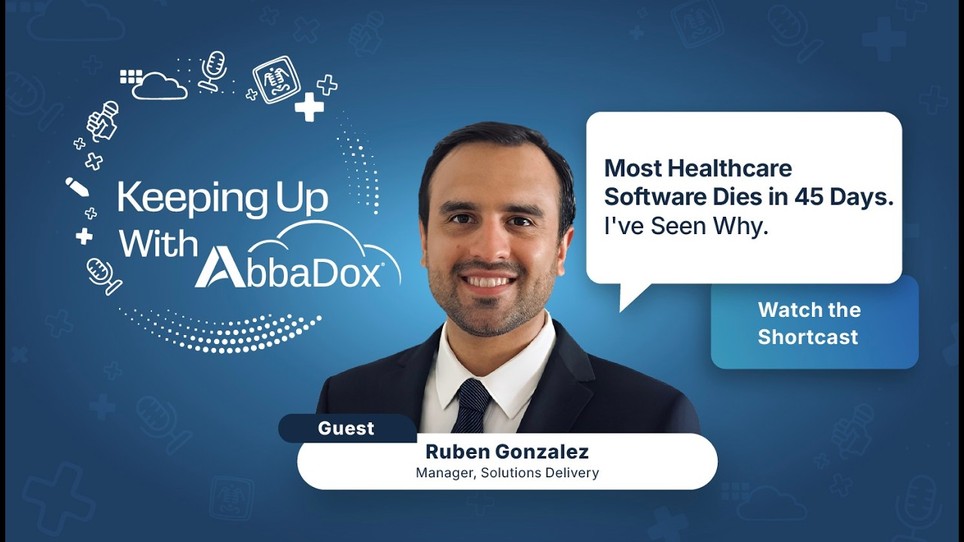
Most Healthcare Software Dies in 45 Days. I’ve Seen Why
Ruben on why go-live is not adoption: milestone-driven implementation, configuring to each center, and what he watches in the 40 to 60 days after launch.
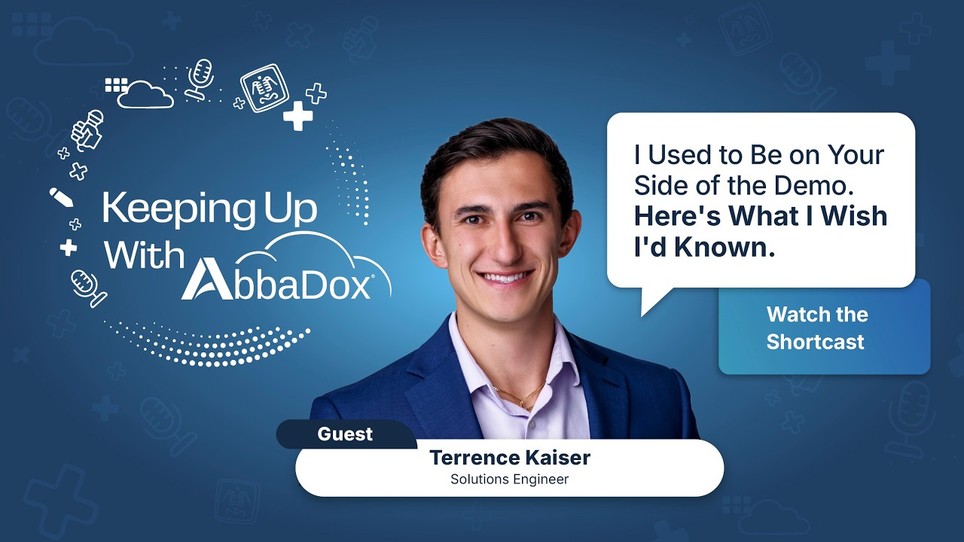
I Used to Be on Your Side of the Demo. Here’s What I Wish I’d Known
Terrence on demos built for real workflows: listening past the first problem, configuring by role and site, and handing off cleanly to implementation.
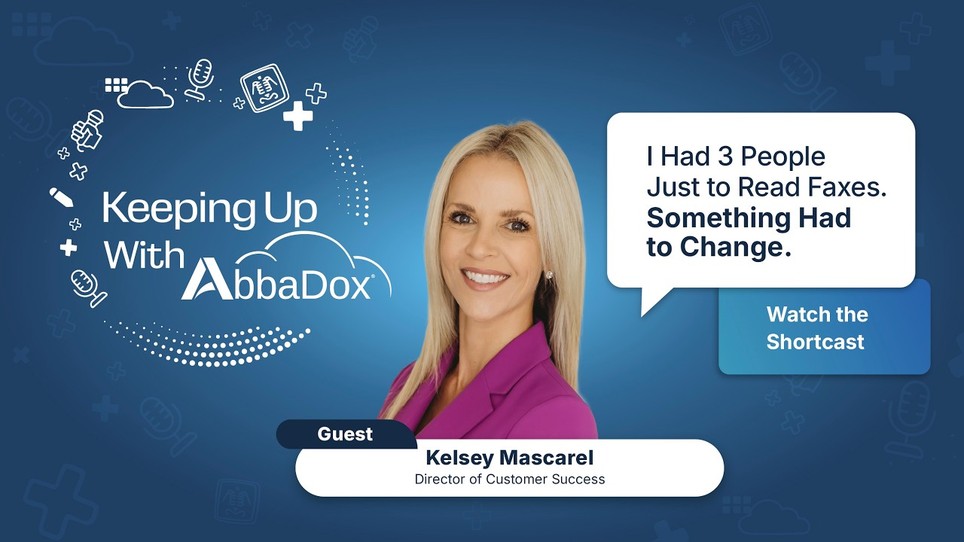
I Had 3 People Just to Read Faxes. Something Had to Change
Kelsey on removing the tedious clicks from document intake and orders, and what happens to the staff whose day was spent reading faxes.
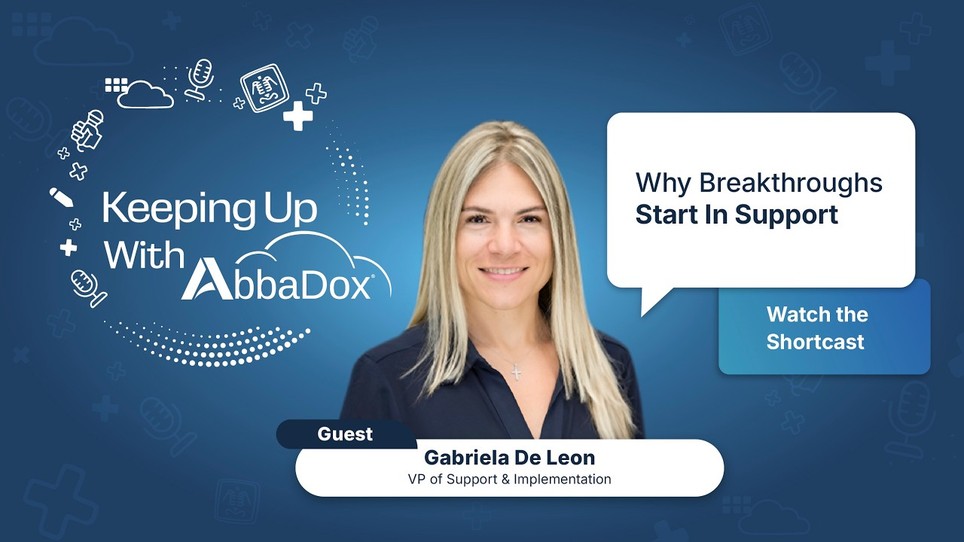
Why Breakthroughs Start in Support
Gabriela De Leon on turning frontline support tickets into product changes, an AI phone assistant, and 100+ self-service settings for clients.
Stop Building, Start Solving Customer Pains
Scott on starting from the customer pain rather than the feature list, validating with real users before code, and measuring success after launch.
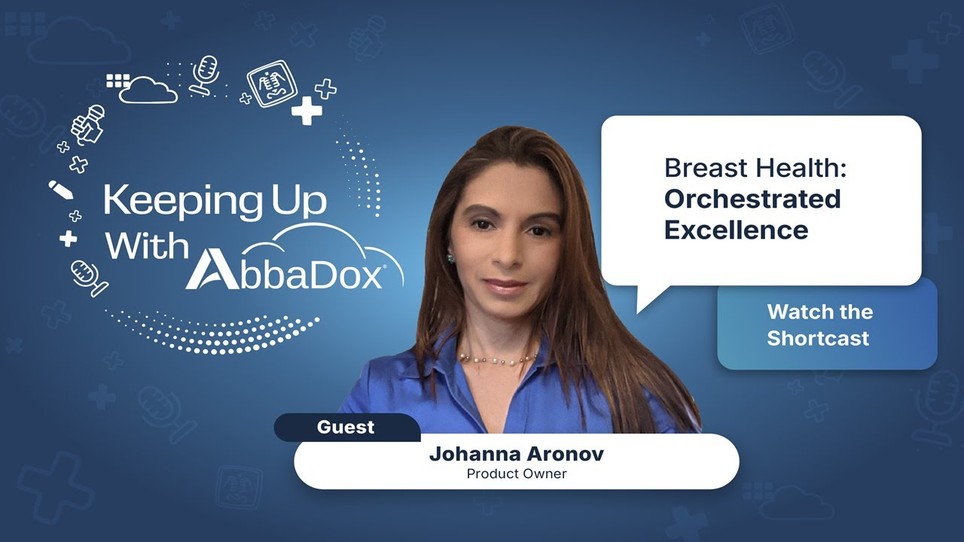
Breast Health: Orchestrated Excellence
Johanna on multi-channel recalls, real-time results, automatic risk classification and MQSA reporting that no longer means counting rows in a spreadsheet.
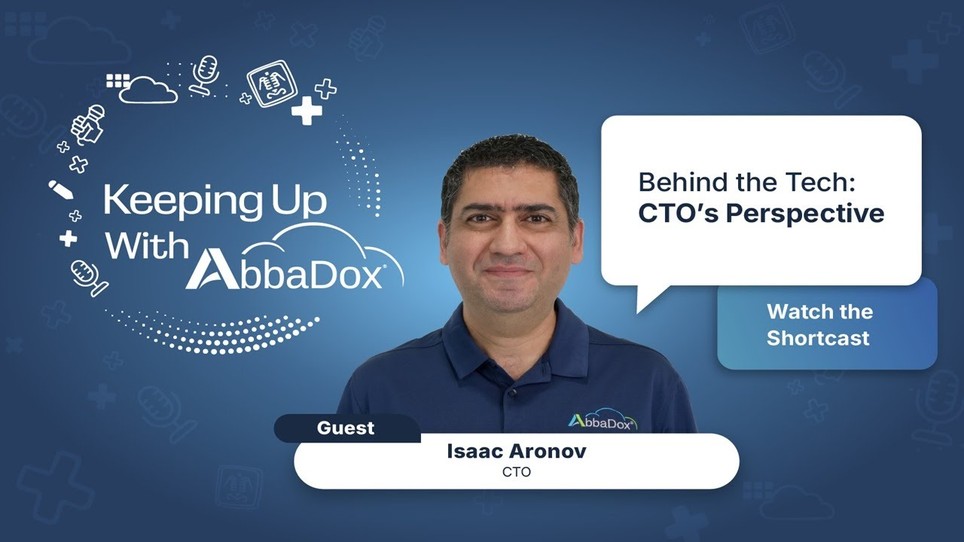
Behind the Tech: A CTO’s Perspective
Isaac, AbbaDox CTO, on orchestrating best-of-breed technology rather than bolting on a chatbot, and running the same platform for one center or a hundred.
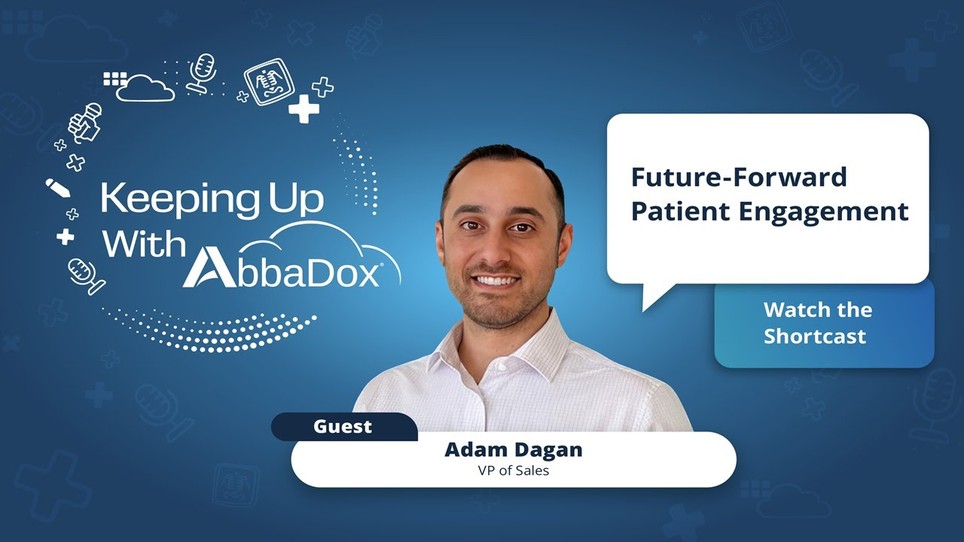
Future-Forward Patient Engagement
Adam on cutting no-shows, automated waitlists, multilingual Voice AI, and warm handoffs that take pressure off the front desk.
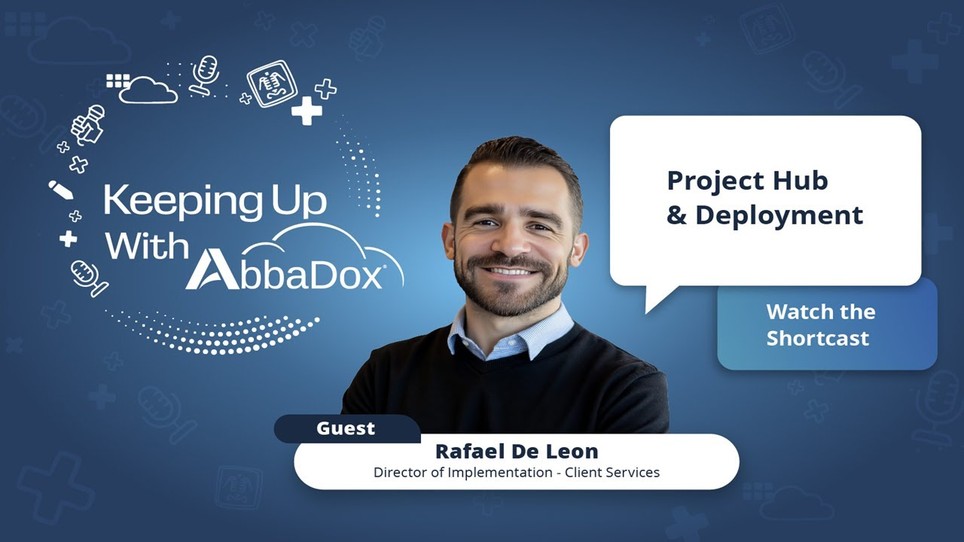
Project Hub & Deployment
Rafa on Project Hub: one place running every deployment task, with automated alerts and bottleneck analytics so clients are never left in the dark.
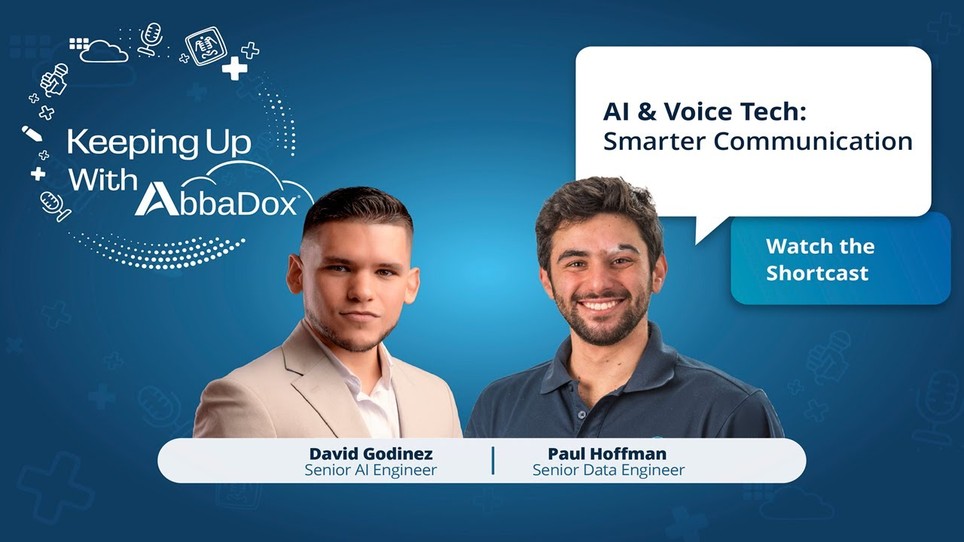
AI & Voice Tech: Smarter Communication
David and Paul on Voice AI that holds a real conversation, runs MR safety questions, keeps full CareFlow context, and hands off warmly to a person.
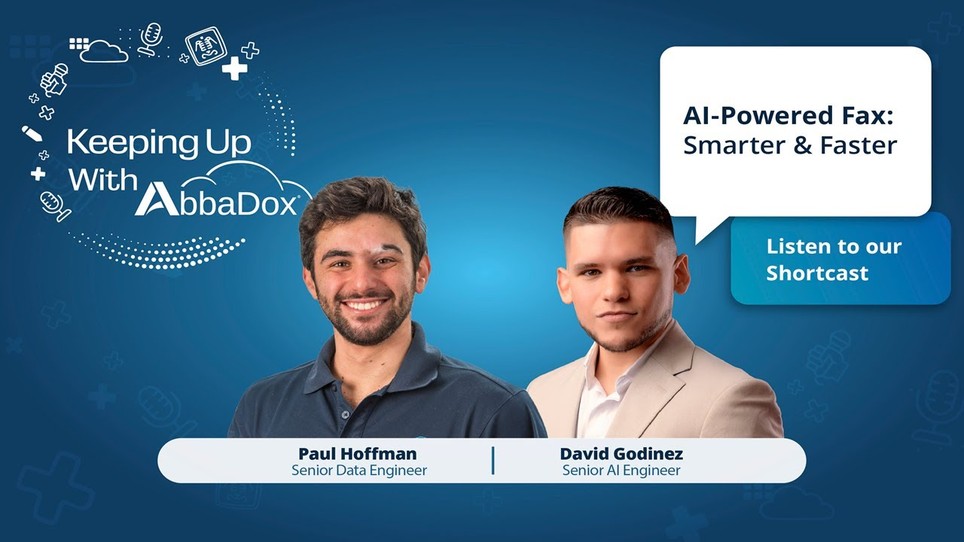
AI-Powered Fax: Smarter & Faster
David demos how AbbaDox AI reads, classifies, and indexes inbound faxes automatically, extracting patient, order, and diagnosis data before anyone opens them.
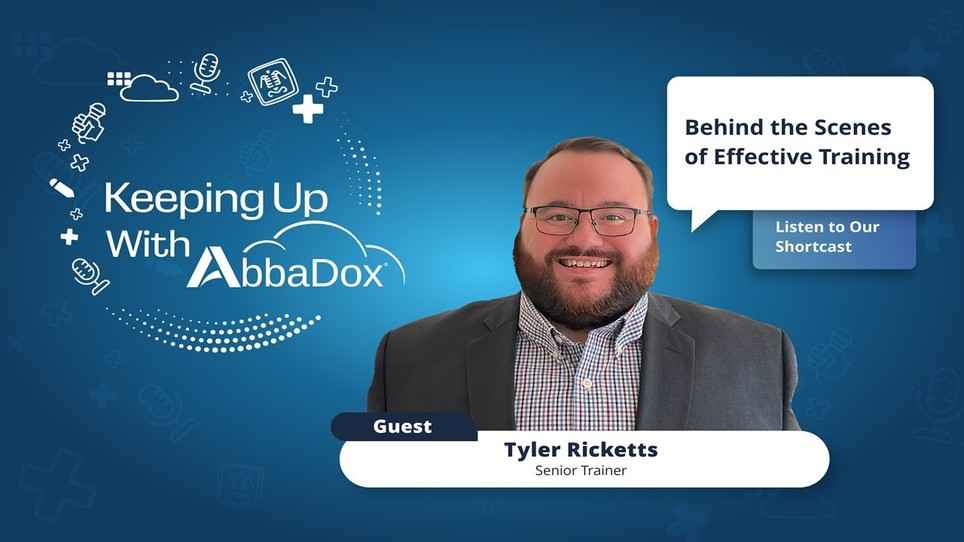
Behind the Scenes of Effective Training
Tyler on the train-the-trainer model, configuring before training, go-live bridge lines and at-the-elbow support, and the resources that outlast the session.
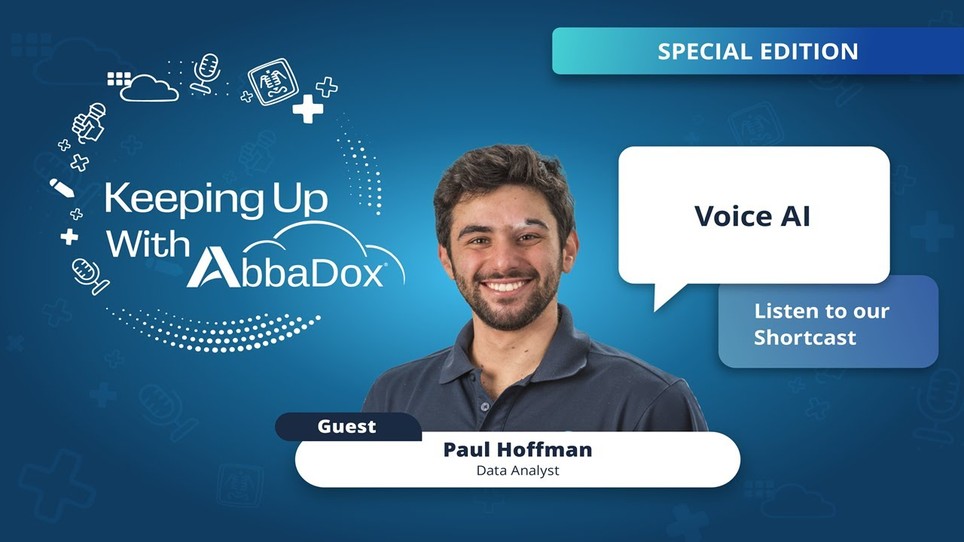
Voice AI Scheduling
Paul on a voice assistant that confirms patient details, runs MR safety questions, finds workable appointment times and follows up with prep instructions.
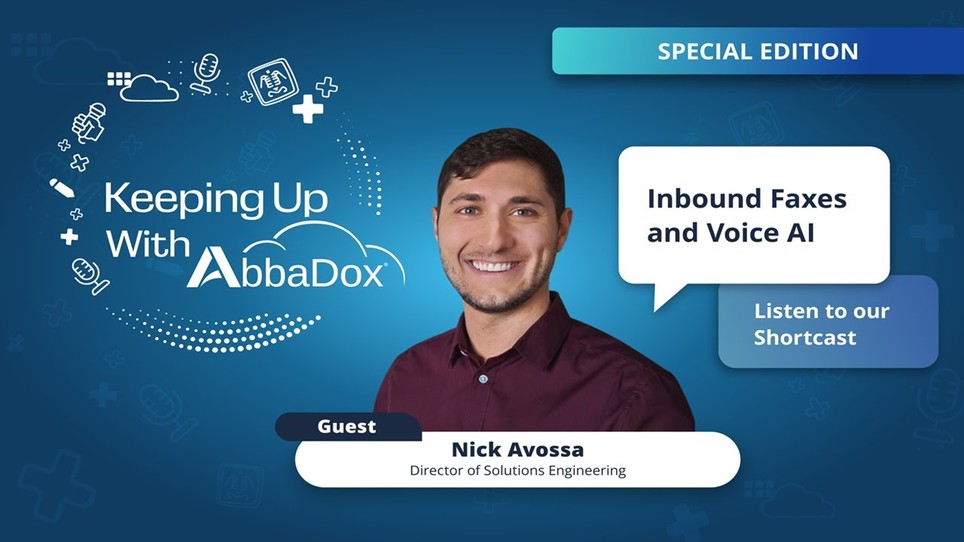
Inbound Faxes and Voice AI
Nick on combining Fax AI and Voice AI: automated document indexing, faster order handling, conversational scheduling, and reminders that reach patients.
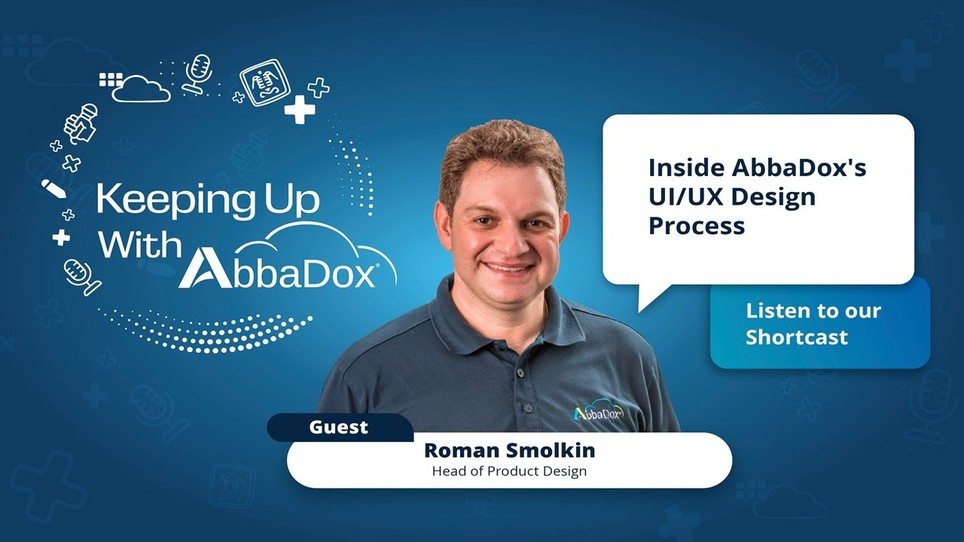
Inside AbbaDox’s UI/UX Design Process
Roman on designing CareFlow by persona, iterating on prototypes before code, building in WCAG accessibility and cutting workflows to the fewest possible clicks.
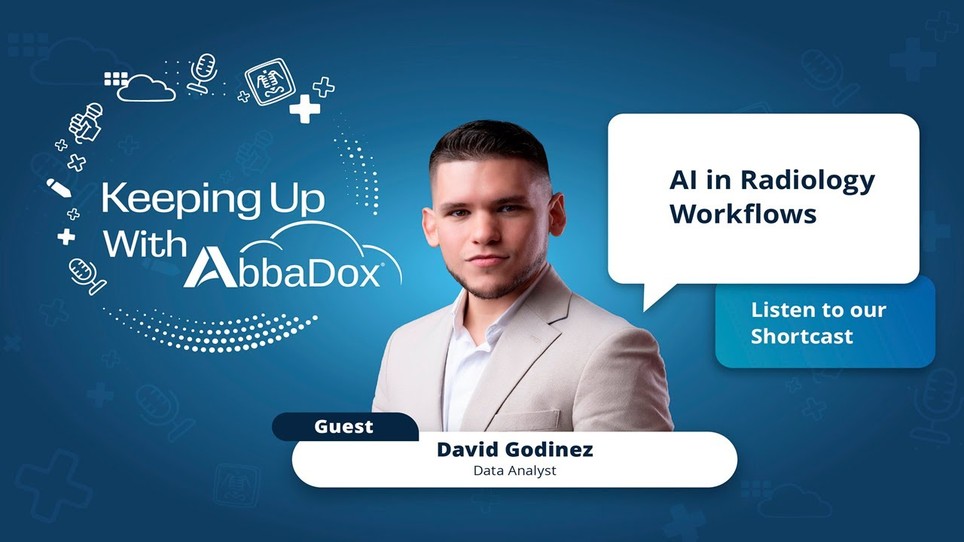
AI in Radiology Workflows
David on AI that reads reports into structured data, recognizes patients on handwritten faxes, autosorts multi-patient documents, and adopts in stages.
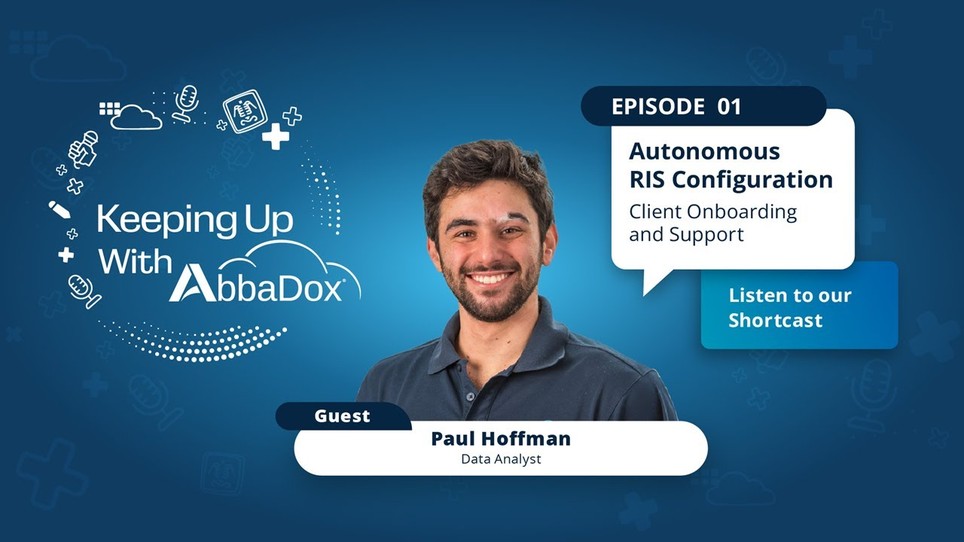
Autonomous RIS Configuration
Paul on the settings that let imaging centers configure the RIS themselves: CSV import, hierarchical scheduling, resource rules and around 100 config apps.