Take More Calls Without Adding Schedulers
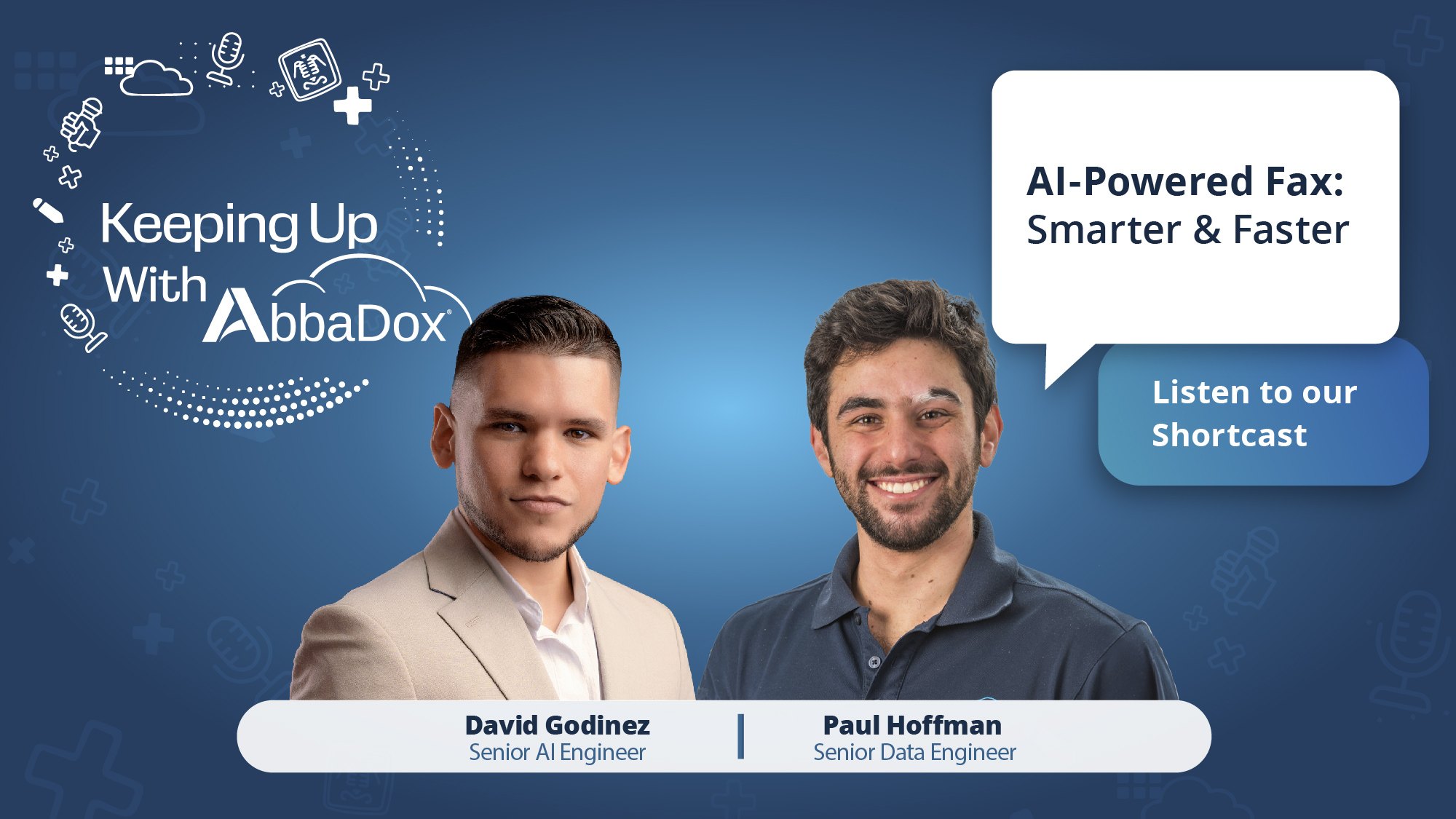
Paul and David demo how integrated Voice AI handles reminders, safety questionnaires, and scheduling through natural conversation.
Jump to a chapter27 chapters
What you’ll learn in this episode
In this conversation, Paul and David share:
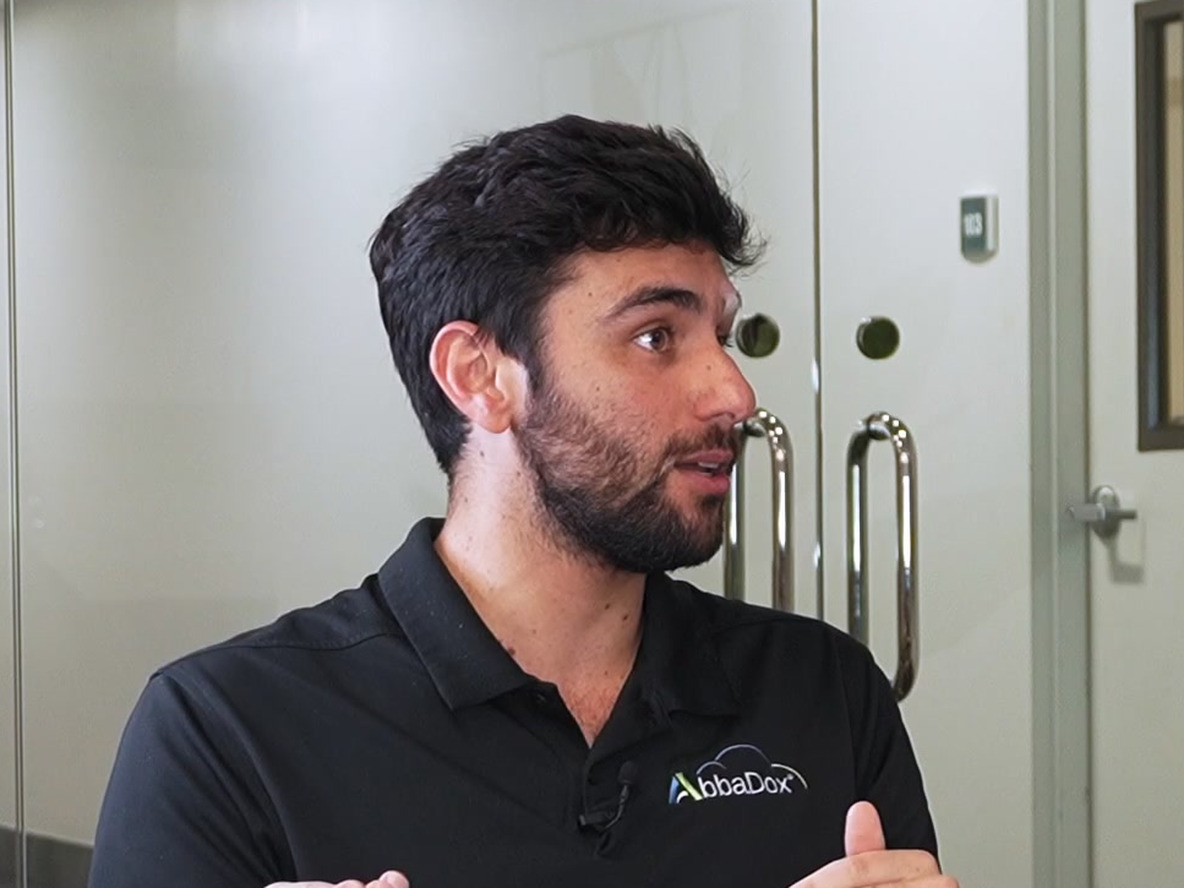
See how it comes together
Paul & David walks through the full conversation.
The Challenge: No-Shows and Phone Queues
As Paul explains, no-shows hit the bottom line and can cost a center thousands of dollars over a year, while long phone queues give patients a poor experience.
Traditional phone trees (IVR) force patients down a rigid path of key presses and keywords, and often fail to route them where they need to go.
Schedulers spend time on lengthy, routine calls, like MRI safety questionnaires, instead of the conversations that actually need a human.

The Solution: Integrated Voice AI
In this episode of Keeping Up With AbbaDox, Sr. Data Engineer Paul and Sr. AI Engineer David join host Pierre-Antoine Tricen to demo a Voice AI that holds a natural conversation instead of a scripted phone tree.
Because it is integrated with CareFlow through an API that passes only the necessary information, the AI has the same background knowledge a human agent would, on both inbound and outbound calls, and can answer prep and results questions in context.
When we train our voice AIs, they are fully aware that they are speaking to a patient that perhaps is having a bad day.
Sr. Data Engineer; Sr. AI Engineer at AbbaDox.
“We are not using any sensitive patient information to train these models after the fact. Every single vendor is vetted.”
That is usually the first objection an imaging center raises, so it is worth stating plainly. Beyond it, the operational case is throughput: the AI holds a natural conversation rather than an IVR phone tree, knows who is calling and why from full CareFlow context, keeps callers on task with guardrails, and warm-hands to a person when needed. As David puts it, you can now take more calls, and schedule more patients than you ever have.
How AbbaDox Approaches Voice AI
The demo showed a call from an assistant named Sarah handling an MR safety screening.