Get a RIS Demo Built on Your Actual Workflows
Imaging organizations have sat through more “perfect” demos than they can count. Everything looks seamless on screen, but once the software goes live, schedulers, technologists, radiologists and billing teams are left stitching together workarounds. Leadership may be excited about a new platform, while day-to-day users feel like nothing has actually improved.
Jump to a chapter14 chapters
What You Will Learn in This Episode
In this conversation, Terrence Kaiser shares:
See how it comes together
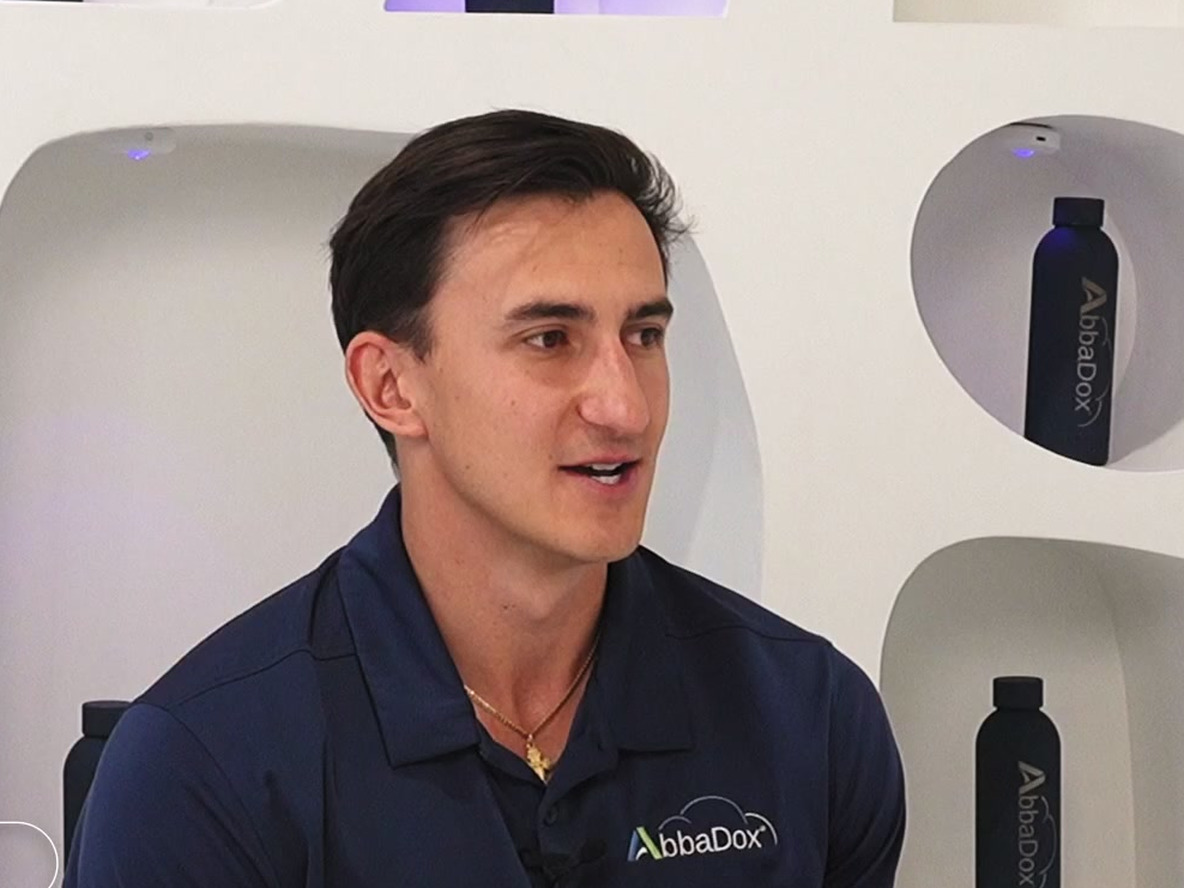
Terrence Kaiser walks through the full conversation.
Shiny Demos That Don’t Match Real Workflows
Imaging organizations have sat through more “perfect” demos than they can count. Everything looks seamless on screen, but once the software goes live, schedulers, technologists, radiologists and billing teams are left stitching together workarounds. Leadership may be excited about a new platform, while day-to-day users feel like nothing has actually improved.
As Terrence Kaiser explains, there is often a gap between the people who approve new technology and the people who have to live in it every day. Early adopters may be eager, but middle and late adopters hold back when the product does not reflect how they really work.
Solutions Engineering That Starts With Your Reality
At AbbaDox, solutions engineering is about more than showing features. It is about understanding how your imaging center actually runs today and proving that CareFlow can bend to fit it.
Terrence brings the mindset of someone who has been on the buyer side of the table. Before every demo, he works with your team to map:
From there, he and the team design a demo environment that looks and feels like your world, not a generic sandbox.
How orders arrive and are indexed · How patients are scheduled, reminded and brought in · How technologists, radiologists and front desk staff move work through the day · How results and claims flow out to referring physicians and payers

I want to make sure that they hear my pain points … how are you going to help me solve that?
Solutions Engineer at AbbaDox.
“A practice doing a million studies a year does not need the same configuration as one doing ten thousand.”
Terrence has sat on the buying side, and his argument is that a demo should be judged on whether it survives contact with implementation. That means listening past the surface problem to what is actually causing it, configuring down to the role and the site rather than showing one generic build, getting scheduling, billing, technologists and the front desk in the room, and designing the demo so the story hands off cleanly to the team who will deliver it.
How AbbaDox Approaches Solutions Engineering with CareFlow
Select one below to explore how it comes together.