Series Keeping Up With AbbaDox · Leadership

A Wholesale Change, Not Another Bolt-On

Why shrinking reimbursement is pushing imaging centers past point solutions, and what it takes to rebuild the front office around one operating system.

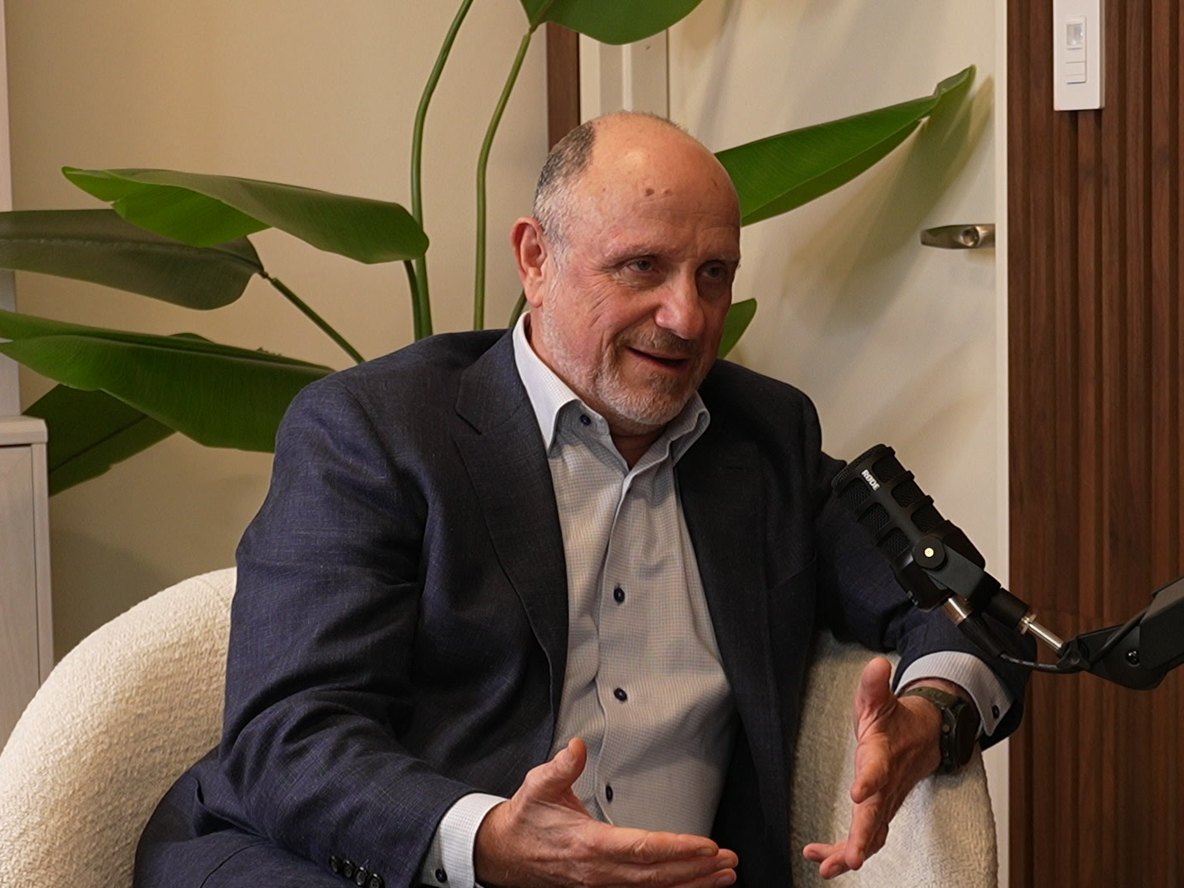
With Yaniv Dagan, CEO Published

For imaging center owners, CEOs and operating partners.

Read the recap
Jump to a chapter13 chapters
Episode highlights

What you’ll learn in this episode

See why falling reimbursement moved the pressure from the back office to the front desk.
Recognize when another point solution adds a vendor to vet, integrate and secure instead of removing work.
Turn the rules that live in one long-serving person's head into steps a system can run at volume.
Put AI on the repetitive intake and scheduling work, and keep people where their judgment matters.
Plan a wholesale change with the front line, so it does not stall between the boardroom and the front desk.
From the conversation, 12:28

“AI is a tool.”

Yaniv on putting AI on the work nobody should be retyping, and people where the judgment calls are.

Episode context

Lower reimbursement, a busier front office

Reimbursement cuts have put independent outpatient imaging centers at a turning point: reinvent the operation, invest in its infrastructure, or sell. And the pressure has moved forward, to the front office. Registration, intake and scheduling have all grown more complex as payers ask for referrals, eligibility checks and authorizations before a patient is seen.

For years the answer was more people, and a point solution where one helped. Yaniv Dagan, CEO of AbbaDox, argues that no longer works. Every new tool brings another vendor to vet for security and compliance, another integration to maintain, and another layer of knowledge to manage, while the business rules that keep the schedule running still live in the heads of a few long-serving staff.

As Yaniv puts it: “When you have a higher volume, the opportunity to fail or to make a mistake is greater, just because of the volume.”

  1. Every point solution is another vendor to vet, integrate and secure.
  2. The rules that hold it together live in one person’s head.
  3. One platform runs those rules as steps, with one audit trail.
  4. AI takes the repetitive work. People keep the judgment calls.
About this episode

Rebuild the front office around one system

He is candid about the cost. A wholesale change brings real disruption, from whiteboard sessions to reworking workflows that made sense five years ago. What makes it work is a partnership between the C-suite and the operations team, AI applied to the repetitive work, and domain experts who walk the center through the change at its own pace.
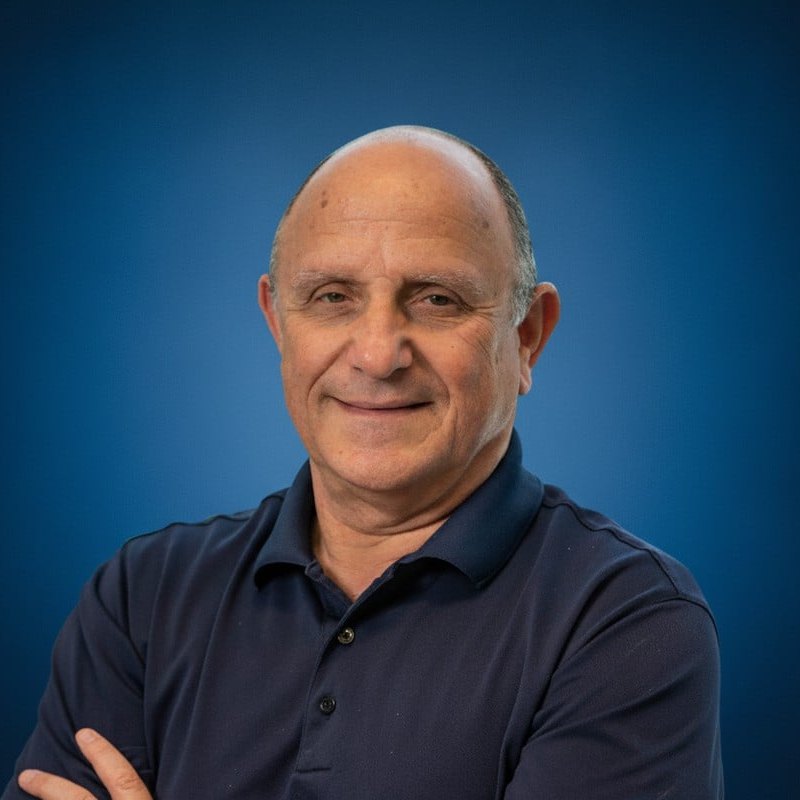
Yaniv Dagan, CEO of AbbaDox
With a wholesale change, you have a wholesale pain.
Yaniv Dagan CEO, AbbaDox

CEO of AbbaDox, which has built software for outpatient imaging for 23 years.

What that changes about adoption
“You can buy everyone a Ferrari. Does that mean they’re going to win the race?”

Some teams want to go all in, others one step at a time. Yaniv’s point is that the tool alone does not win the race, so AbbaDox works as a service company: analysts, subject matter experts and project managers alongside the tools, at the pace the center chooses.

The AbbaDox approach

A wholesale change, step by step

Six steps, in the order Yaniv takes them. Select one to explore it.

Put it to work

Take it to your team

Three questions for your next leadership meeting, each with the moment in the episode that answers it.

  1. Which scheduling rules live in one person’s head?

    If your longest-serving scheduler left tomorrow, which payer, plan and modality rules would leave too?

  2. How many vendors touch a referral before it is scheduled?

    Each one is another vendor to vet, another integration to maintain and another layer to manage.

  3. Where do your people make a judgment call, and where do they retype?

    Put automation on the repetitive work, and your best people on the decisions.

Want these answered for your center?

Watch the conversation, then see one system run a center like yours.

Watch the full conversation, or talk to the team that would walk your center through the change.