SERIES Keeping Up With AbbaDox · Training

Train Your Super Users in Three to Five Hours

Tyler Ricketts on AbbaDox’s train-the-trainer model, patient-journey curriculum, and the resources that get staff live fast.

With Tyler Ricketts, Senior Trainer
Jump to a chapter8 chapters
Episode highlights

What you’ll learn in this episode

In this conversation, Tyler shares:
Why the train-the-trainer model improves adoption
How structuring training around the patient journey builds full context
Why pre-training configuration makes the system feel simple to end users
What go-live support looks like, from a bridge line to on-site help
Which resources, from the Wiki to e-learning, keep clients self-sufficient
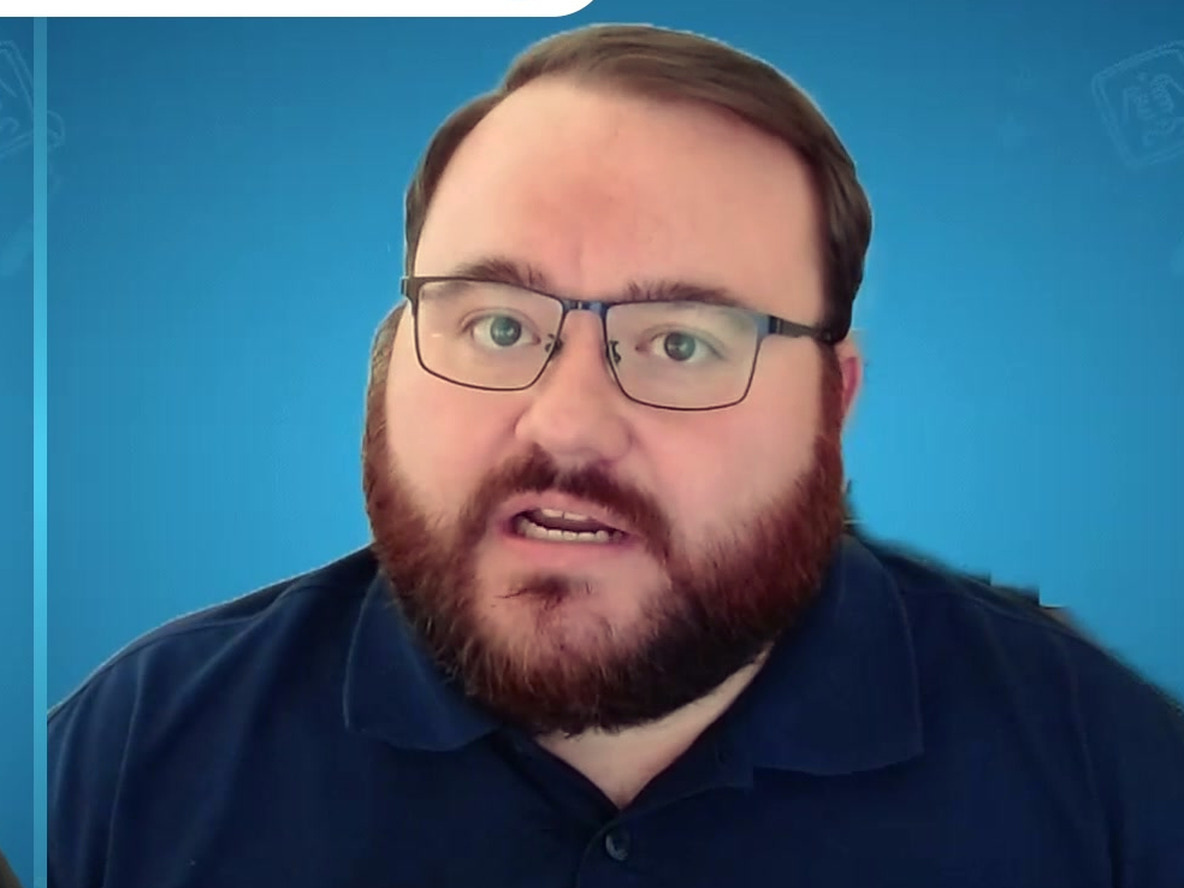
Tyler Ricketts in conversation during the episode
The full conversation

See how it comes together

Tyler Ricketts walks through the full conversation.

Episode context

The Challenge: Getting Staff Confident on a New System, Fast

Adopting a new platform means getting many roles, scheduling, technologists, front desk, billing, comfortable quickly, without stalling operations.

Staff carry the habits and context of their previous system, which can slow them down.

As Tyler Ricketts explains, training has to build trust and give people resources they can return to, not just a one-time walkthrough.
Empty training room facing a blank screen
About this episode

The Solution: A Train-the-Trainer Model

In this episode of Keeping Up With AbbaDox, Senior Trainer Tyler Ricketts joins host Pierre-Antoine Tricen to explain a training approach built around super users, or trainers, who then teach the rest of their staff.

Sessions are offered in person or virtually, kept to no more than about 20 people, and use a demonstration-based format followed by hands-on practice in the system.

Tyler Ricketts, Senior Trainer at AbbaDox
Meet the guest
Tyler Ricketts Senior Trainer, AbbaDox

Senior Trainer at AbbaDox.

What go-live actually looks like
“We select super users or trainers who you want to then go on and train the rest of your team.”

Training here is designed so knowledge stays in the building. Leads become super users and teach their own peers, sessions follow the patient journey rather than the menu structure, and configuration is finished before anyone is trained so staff learn the system they will actually use. At go-live there is an all-day conference bridge plus at-the-elbow help, and afterwards the Wiki, recordings and ongoing sessions remain.

How training works

How AbbaDox Approaches Training

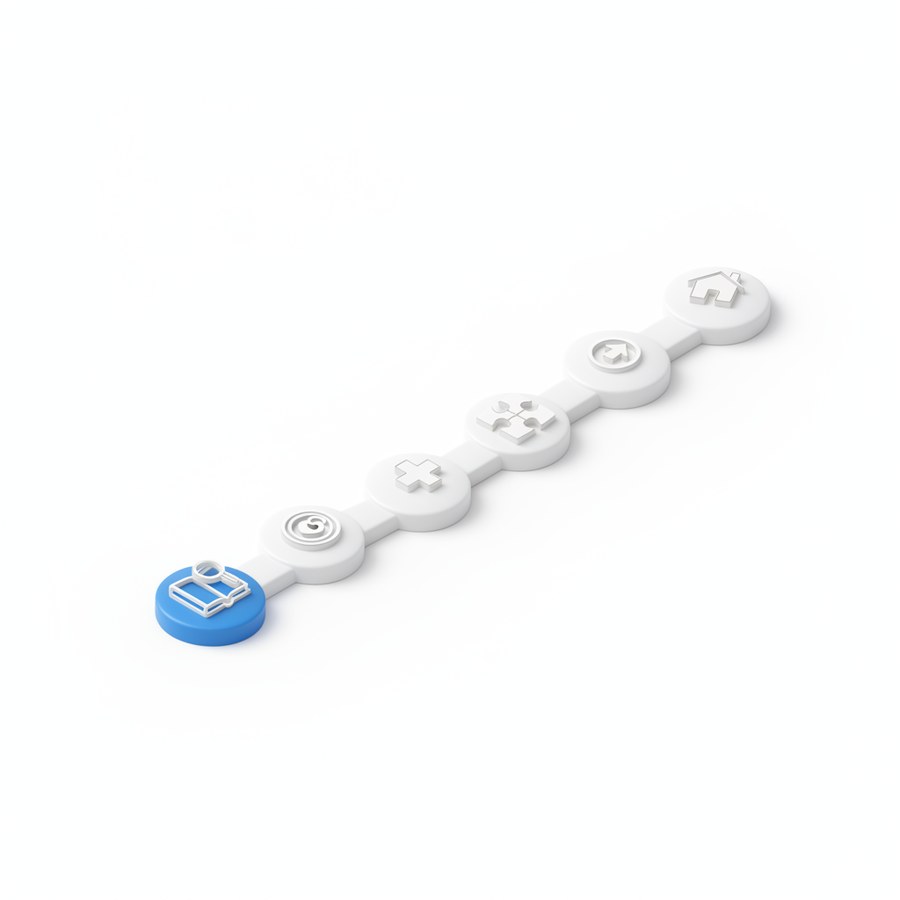
The curriculum follows the patient’s journey through an imaging center.
Train the trainer
Structured around the patient journey
Full context for every trainer
Configuration done before training
Go-live support
Resources that outlast the session
Operational impact

Real Results for Imaging Centers

A train-the-trainer model and self-service tools build internal expertise for long-term operational resilience.

For your team

Half-day to cover the system

A train-the-trainer session typically runs three to five hours, which surprises clients given how much of the platform it covers.

For your patients

New users ramp fast

Brand-new users get started quickly because they are not carrying the friction of a previous system.

For your center

Support on site at go-live

At-the-elbow help logs issues and answers questions in person during the first days of go-live.

For your leadership

Self-service after go-live

Client-facing settings tools let administrators make minor changes without opening a support ticket.

Across the whole operation

For the organization

A simple system plus strong resources shortens time to confidence.

Get Your Team Live With Confidence

See how AbbaDox training and resources get imaging center staff productive fast, then keep them self-sufficient.