Make RIS Adoption Stick in the First 60 Days
Imaging teams can make it through kickoff, configuration, testing, and training, then still lose momentum once real work begins. The first 40 to 60 days after go-live often decide whether a new platform becomes part of the workflow or another layer people work around.
For imaging center administrators, operations leads, and the managers who run a go-live.
What You Will Learn in This Episode
What keeps software from being dropped
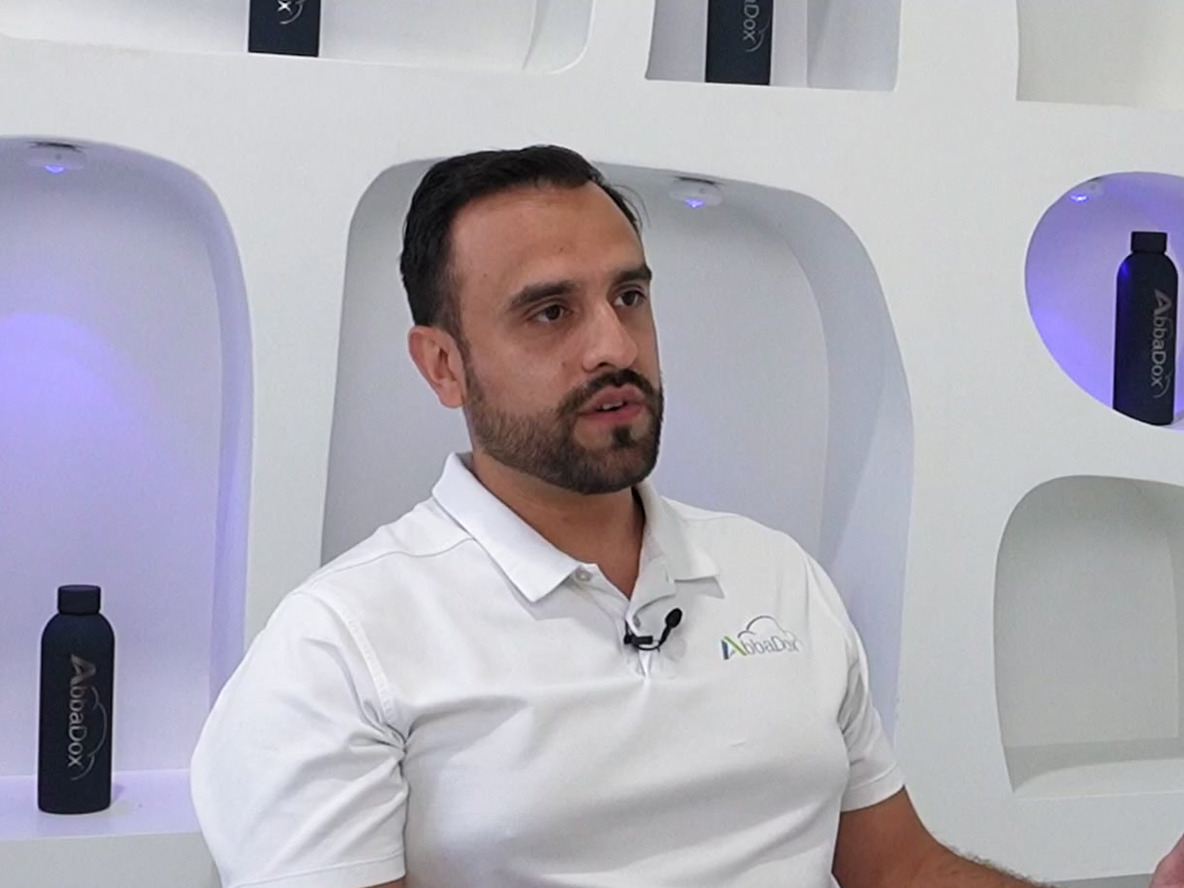
Ruben on the team that stays close after go-live, so a new system is not abandoned two months in.
The Solution: Implementation Built Around Real Workflows
At AbbaDox, solutions delivery is not about forcing every center into the same process. It starts with understanding how the site already works, what pain points slow staff down, and where the platform can remove friction quickly.
Ruben brings nearly a decade of implementation experience at AbbaDox, which has worked in radiology for more than two decades. His team uses discovery, configuration, testing, training, and on-site go lives to shape CareFlow around the center instead of asking the center to adapt blindly.

My motto is to try to make myself feel like as if I worked for them inside their center.
“The buy-in truly comes from the directors at the office, leads, managers who manage the departments, the users, you know, actually doing the work.”
Ruben is naming the gap that kills rollouts: the people who buy the software are not the people who have to live in it. So implementation runs on milestones that must be met before go-live is even called, worklists and communication flows are configured around how that center actually works, and the team keeps refining 40 to 60 days after launch, watching whether users are really using it as trained, not whether the project closed.
How AbbaDox Approaches Implementation with CareFlow
Select one below to explore how it comes together.