Series Keeping Up With AbbaDox · Interoperability

Clean Data at Every Handoff, No Re-Entry

A candid conversation on what interoperability really takes inside imaging operations, and why the connection is the easy part.

With Ilana Zadov, Director of Interoperability Published

For imaging center leaders, and the scheduling, technologist, radiologist, and billing teams who live with the data flow.

Read the recap
Jump to a chapter12 chapters
Episode highlights

What you’ll learn in this episode

What interoperability really looks like across the full imaging workflow.
Why broken connectivity is a risk to staff productivity, patient experience, and referrals.
What imaging centers should ask vendors about experience, alerting, and ongoing support.
How flexible data handling shortens implementation and improves long-term reliability.
Where AI can improve accuracy and speed inside interface-driven workflows.
From the conversation, 15:47

What if the order is missing something?

Ilana on planning for the incomplete order, not just the perfect one, at every step of the workflow.

Episode context

Problems show up the moment systems stop talking

For imaging centers, interoperability isn’t just an IT concern. It shapes the whole patient journey. Orders need to arrive clean. Scheduling needs the right patient and insurance data. Technologists need accurate study info, radiologists need context at the right moment, and billing needs validated data before charges go out.

When any part of that chain breaks, teams fall back on manual entry, reconciliation, and rework: delays for staff, bottlenecks for patients, and risk for referring relationships.

As Ilana Zadov puts it, what looks like a simple interface on the surface is really a workflow challenge that touches every step of care.

  1. Patient data has to reach every step, from the referral to billing.
  2. Behind it, one event triggers the right next steps on its own.
  3. When a connection breaks, an alert catches it before it becomes a backlog.
  4. Outside data is validated and adapted to fit, not rejected.
About this episode

Built around the real workflow, not just the connection

In this episode of Keeping Up With AbbaDox, Director of Interoperability Ilana Zadov joins host Pierre-Antoine Tricen to unpack what it actually takes to keep data moving across imaging operations, without adding friction for the people doing the work.

With more than two decades at AbbaDox, Ilana brings a practical view shaped by real client environments. Her team does more than stand up interfaces. They look at what the client is trying to solve, where workflows break down, and how data should move from system to system so the whole process runs smoother.

Ilana Zadov, Director of Interoperability at AbbaDox
We don’t just build an interface. We think about the client’s problems.
Ilana Zadov Director of Interoperability, AbbaDox

Two decades keeping imaging data in motion, across every system a center depends on.

What “seamless” has to mean in practice
“A lot of our clients are impressed with the fact that we don’t just build an interface. We think about the client’s problems.”

An interface moves data; integration removes work. Ilana’s team runs an event engine that coordinates the applications across the whole patient journey, so a modality already has the patient and study details with no manual data entry. Monitoring and alerting run continuously, “we’re never down, that the connectivity is always up,” and outside vendor data is validated and made usable rather than forced into a rigid format.

CareFlow interoperability

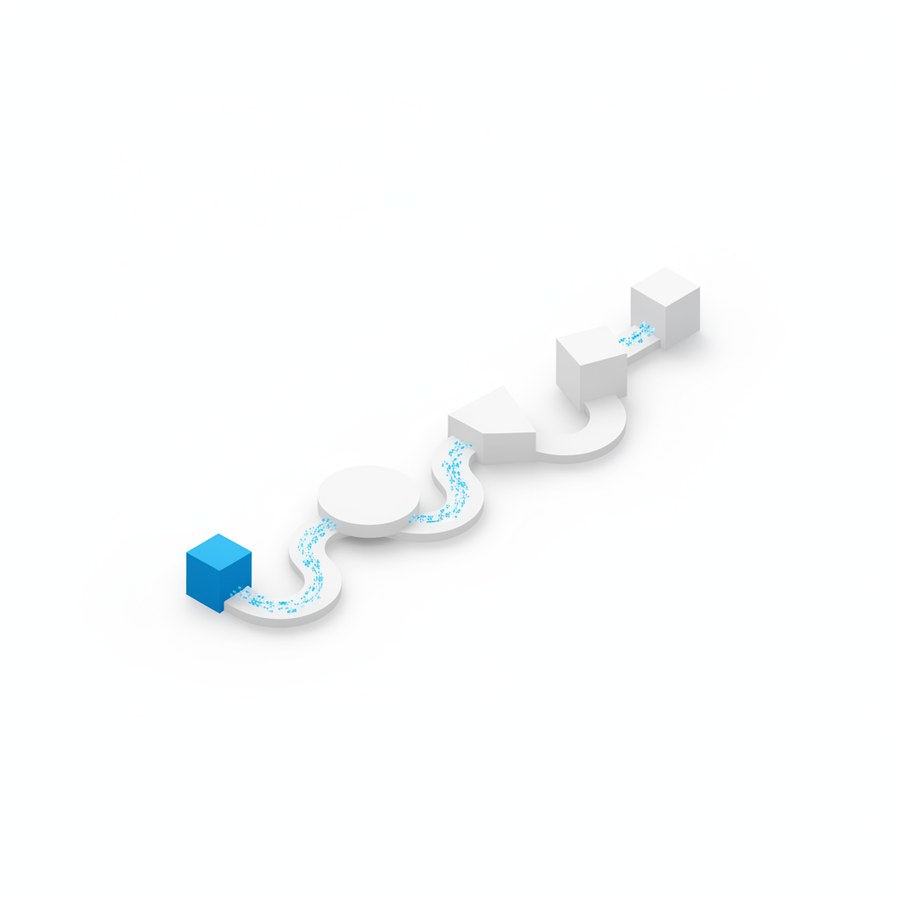
How AbbaDox approaches interoperability with CareFlow

Six principles turn disconnected systems into coordinated workflows. Select one to explore it.
Put it to work

Take it to your team

Three questions for your next leadership meeting, each with the moment in the episode that answers it.

  1. Who finds out first when an interface breaks?

    Monitoring and alerts should catch a broken connection before your staff start typing data in by hand.

  2. What does your vendor do when an order arrives incomplete?

    Ask how the vendor validates and reconciles data at every step, not only how it receives it.

  3. How long has your vendor been building interfaces, and to which systems?

    Experience across many connected systems is what keeps an implementation short and the data flowing.

Want these answered for your center?

See what connected operations look like for a center your size.

Watch the full conversation, or talk to the team that makes interoperability disappear into the background.