Run Fax and Order Intake Without a Dedicated Team
In many imaging organizations, teams are still relying on people to read faxes, re-enter orders, and chase missing information. Every manual handoff adds delay to the patient journey and pressure on already lean staff.
For imaging center leaders, front-desk and intake managers, and anyone still keying faxed orders in by hand.
What You Will Learn from This Episode
Two to three hires just to get faxes in
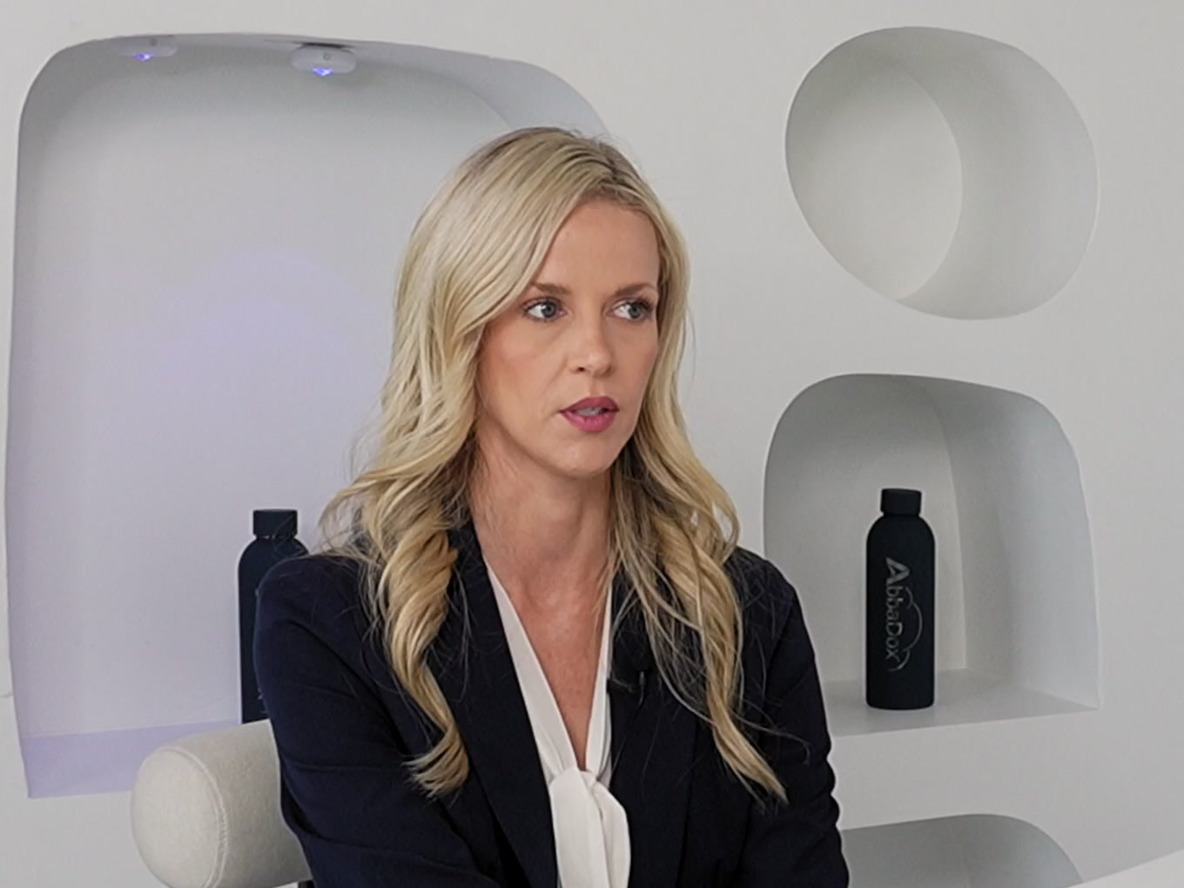
Kelsey on the fax intake she staffed by hand before she came to know AbbaDox and its AI tools.
Customer Success as a Strategic Partner
In this episode of Keeping Up with AbbaDox, Kelsey Mascarel, Director of Customer Success, joins host Pierre-Antoine Tricen, VP of Market Growth at AbbaDox, to talk about what happens when customer success steps in early and stays close to the workflow.
Understand success metrics and workflows before go-live · Map real pain points to solutions instead of just showcasing features · Use AI to handle document intake, fax routing, and repetitive tasks · Build trust with teams who are skeptical about letting go of manual control
I hired two to three FTEs just to help us get faxes in the system, which means faxes that are sitting there with orders with patient information on there that needed real treatment.
“We are using AI to kind of get rid of the tedious tasks and the little clicks here and there … we’re also freeing up our team or your team, your staff members, to do more patient-driven and patient-centric tasks.”
The honest version of this story is not headcount reduction. Kelsey is explicit that humans still make the decisions that need judgment, and that is by design. What changes is what the day is made of: document intake and incoming orders stop consuming two to three people’s attention, and that attention moves to patient conversations and clinical guidance, the work that only a person can do.
How AbbaDox approaches customer success and Fax AI with CareFlow
Select one below to explore how it comes together.