Good AI Is Invisible AI
Why a working system shows you only its mistakes, and what that does to a team that was never told to expect it.
Jump to a chapter8 chapters
What you’ll learn in this episode
You will learn how imaging teams:
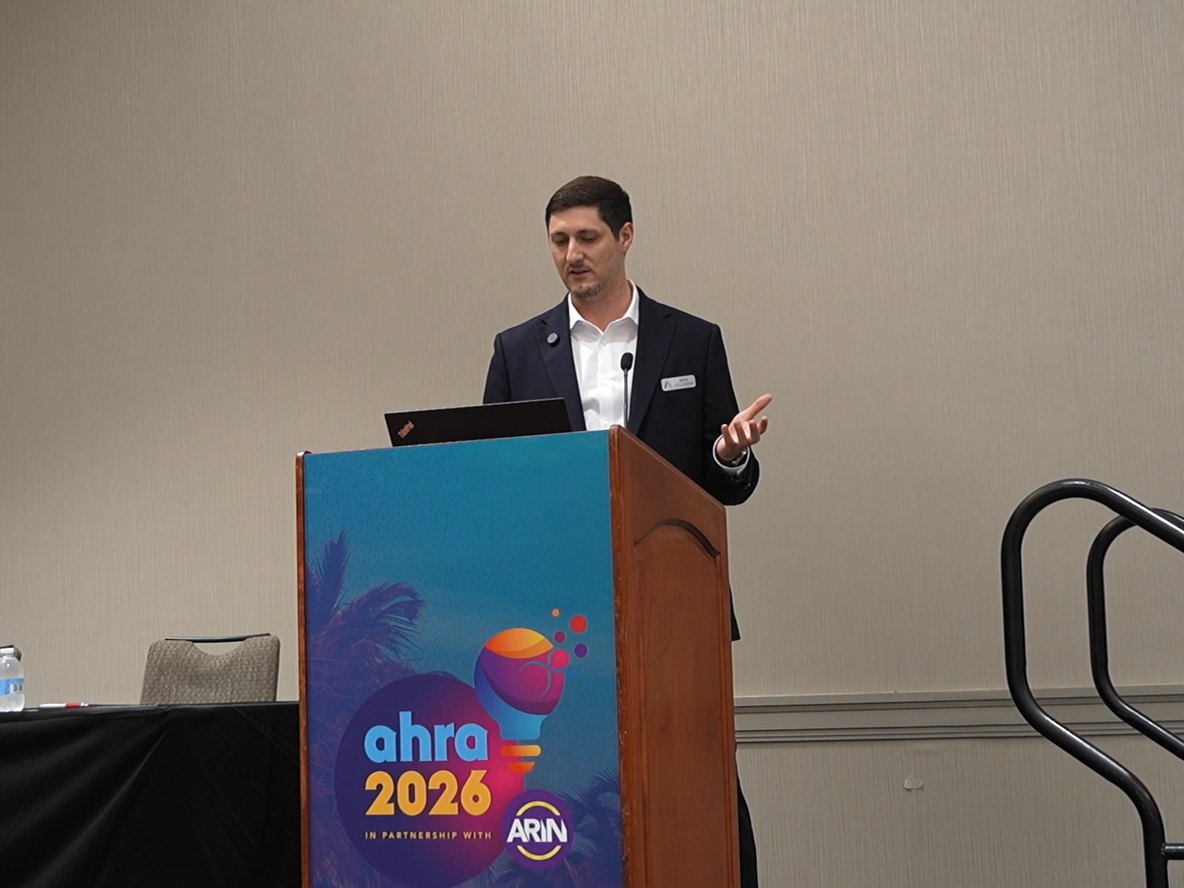
See what it looks like in practice
Nick Avossa walks through what AI is actually doing in an imaging operation, and why the parts that work are the parts you never see.
AI gets judged by fear before it gets judged by results
In radiology operations, AI often enters the conversation carrying baggage it did not create. Teams worry about job loss, black-box decisions, bad data, fragmentation, and failure rates before they have a clear baseline for the work already happening today. That makes adoption harder, even when the current process is overloaded, inconsistent, or already creating avoidable errors.
Nick Avossa has seen that pattern up close. As VP of AI Operations at AbbaDox, he works with leaders and front-line teams trying to modernize workflows while carrying years of habits, workarounds, and skepticism into the conversation. His point is not that fear is irrational. It is that fear alone is a poor benchmark for deciding what should change.
As Nick puts it, a system doing its job is the one you stop noticing, and that is exactly what makes it hard to trust.

Measure the workflow, then make the logic visible
In this episode of Keeping Up With AbbaDox, VP of AI Operations Nick Avossa argues that operational AI works best when it is grounded in context, transparency, and comparison. Teams need to know what the current process costs in time, throughput, and accuracy before they decide what good enough looks like.
They also need to understand where AI fits, where it does not, and when human review should stay in the loop. Real adoption happens when leaders show the data, prepare staff for what will change, and focus AI on the parts of the workflow where speed, consistency, and scale matter most.

if it's doing its job, it is invisible, and all you surface are the errors.
Runs AI operations at AbbaDox, working with centers on the floor rather than from a slide.
“If teams only see the exceptions, they can miss the volume of work the system is already handling correctly.”
Nick's argument is that the tool is rarely the hard part. What decides adoption is a measured baseline to compare against, and staff who were told in advance that their queue would fill with exceptions only, so a system that is working does not arrive looking like a system that is broken.
How AbbaDox introduces AI into an imaging operation
Six things that decide whether it sticks. Select one to explore it.