Voices of Experience · Podcast
Season 2Episode 4October 2025

Story of Strength and Advocacy

A survivor's view from both sides of the scan, and why access delays cost lives.

Hosted by Dianne Keen  ·  with Laura Manser, Director of Provider Education at PBS Radiology
Guest
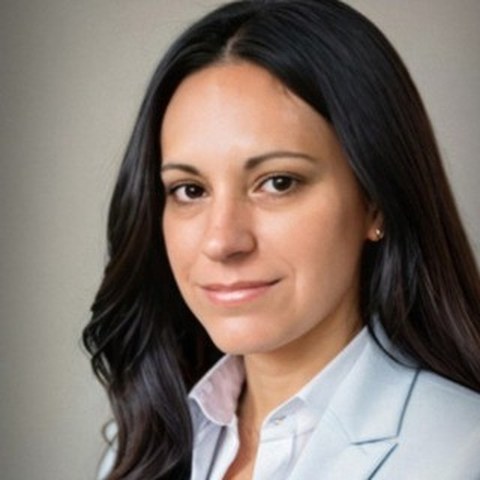
Laura Manser
Laura Manser
Director of Provider Education at PBS Radiology
“Imaging saved my daughter’s life. Imaging saved my life.”
Laura Manser, Director of Provider Education at PBS Radiology
1998
The federal law she found, and used
25 years
In radiology before any of this happened to her
10 years earlier
When a family history should move your screening
About this episode

Survivorship, self-advocacy, and the cost of delay

In this special Breast Cancer Awareness edition, Dianne Keen is joined by Laura Manser, Director of Provider Education at PBS Radiology and a seven-year breast cancer survivor, to share her powerful story of resilience, advocacy, and the vital role imaging plays in early detection and survival. Together, they explore the human side of radiology from navigating a dual journey as both caregiver and patient to confronting barriers in access to care that delay diagnosis and treatment. The conversation underscores the urgent need for efficiency, education, and patient empowerment in healthcare.

Listeners will gain invaluable insights into the realities of survivorship, the importance of self-advocacy, and how imaging professionals can help close critical gaps in patient care.

In this episode

Key discussion points

Advocacy in Action: How Laura’s personal journey from caregiver to breast cancer survivor highlights the urgent need for patient self-advocacy and awareness, empowering others to push for timely screenings and second opinions.
Access to Care: The growing challenge of diagnostic and scheduling delays across imaging centers, and how these barriers impact outcomes, patient trust, and the emotional toll of uncertainty in breast cancer care.
Imaging Saves Lives: Why radiology professionals play a pivotal role beyond technology, ensuring early detection, compassionate communication, and patient-centered workflows that directly influence survival and quality of life.

Suggest a topic for a future episode

Who should we talk to next? One line is plenty.

No newsletter, no follow-up sequence. It goes to the team that books the guests.